Blog Detail Page
Digital Payments: How Technology Is Transforming Global Commerce
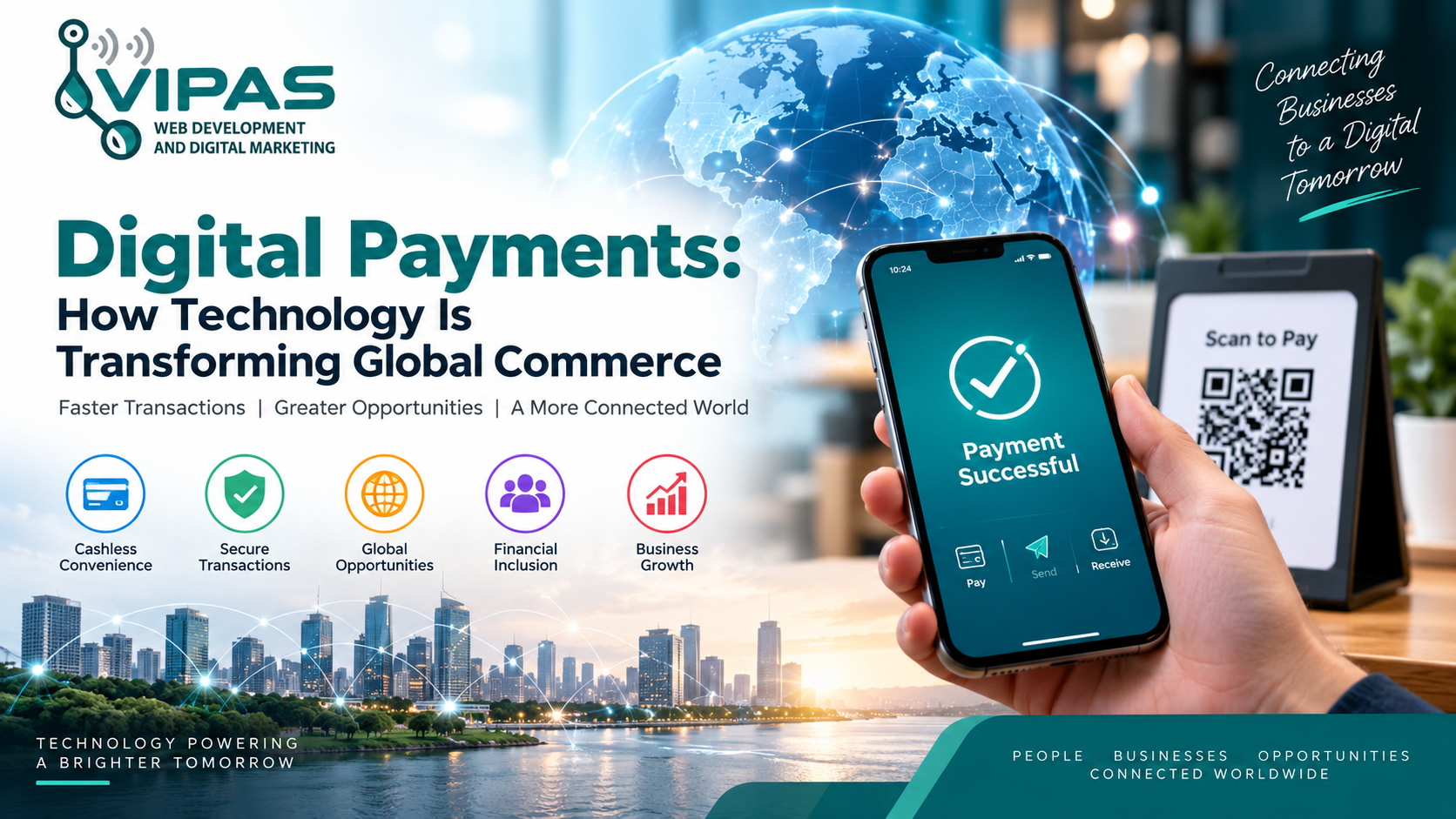
Digital payments are rapidly changing the way people and businesses buy, sell, save and transfer money. From mobile wallets and instant bank transfers to contactless cards and QR-code payments, technology has made financial transactions faster and more convenient than ever.
As smartphones, internet connectivity and digital banking services continue to expand, digital payments are becoming an important part of the global economy. Businesses of all sizes are adopting digital payment solutions to reach customers, simplify transactions and compete in an increasingly connected marketplace.
The Global Growth of Digital Payments
Consumers are increasingly choosing digital transactions instead of cash for everyday purchases, online shopping, travel, subscriptions and business services. Mobile payment applications and online banking have made it possible to send and receive money within seconds.
This transformation is not limited to developed economies. Emerging markets are also experiencing rapid growth in digital payments as affordable smartphones, mobile networks and digital financial services reach more consumers.
Mobile Payments Are Changing Consumer Behavior
Smartphones have become one of the most important tools for digital commerce. Consumers can now pay for products and services using mobile banking applications, digital wallets, QR codes and contactless payment technologies.
The convenience of mobile payments is also changing expectations. Customers increasingly want simple checkout experiences, instant confirmation and multiple payment options when purchasing products or services.
QR Code Payments and Instant Transactions
QR-code payments have become a major part of the digital payment ecosystem. Businesses can accept payments without requiring expensive payment terminals, while customers can complete transactions using their smartphones.
Instant payment infrastructure is also helping businesses receive money faster. Faster settlement can improve cash flow and make digital commerce more efficient for small businesses, retailers and service providers.
How Digital Payments Are Helping Businesses
Digital payments provide businesses with more than just a way to collect money. They can simplify accounting, reduce cash handling, improve transaction records and support online sales.
For small businesses and startups, digital payment technology can also make it easier to sell products and services beyond their local markets. Online payment gateways allow businesses to accept payments from customers across different regions and, depending on the service, different currencies.
Cross-Border Commerce Is Becoming Easier
Global e-commerce has created demand for faster and more convenient international payments. Customers can purchase products from businesses located in other countries without relying on traditional payment processes.
Modern payment platforms are working to make cross-border transactions more efficient by supporting multiple currencies, payment methods and localized checkout experiences.
Digital Payments and Financial Inclusion
Digital payment technology can also expand access to financial services. People who previously depended primarily on cash may gain access to mobile banking, digital wallets and electronic transfers through smartphones.
This can create new opportunities for individuals, entrepreneurs and small businesses, particularly in regions where traditional banking infrastructure has been limited.
Cybersecurity Is Becoming More Important
The rapid growth of digital payments also brings new security challenges. Payment platforms must protect users against fraud, account takeover, phishing, identity theft and unauthorized transactions.
Technologies such as encryption, tokenization, multi-factor authentication and transaction monitoring are becoming increasingly important for protecting digital financial transactions.
Businesses also have an important role to play. Secure payment gateways, strong authentication practices, regular software updates and customer awareness can help reduce digital payment risks.
The Future of Digital Commerce
The future of digital commerce will likely involve more connected payment experiences across websites, mobile applications, physical stores and connected devices. Consumers will continue to expect payments that are fast, secure and easy to use.
Payment technology is also becoming increasingly integrated into business software. E-commerce platforms, hotel booking systems, subscription services, marketplaces and other digital platforms can connect payments directly with their operational workflows.
Why Businesses Should Prepare Now
Businesses that rely on outdated payment methods may face challenges as customer expectations continue to evolve. Offering secure and convenient digital payment options can help businesses improve the customer experience and compete in international markets.
Companies should evaluate their payment infrastructure, security practices, mobile experience and support for different payment methods as part of their broader digital transformation strategy.
Conclusion
Digital payments are transforming global commerce by making transactions faster, more accessible and increasingly connected to everyday digital experiences. From mobile wallets and QR codes to online payment gateways and cross-border transactions, payment technology is changing how businesses interact with customers around the world.
For businesses, adopting reliable digital payment technology is no longer simply a convenience. It is becoming an important part of building a modern, competitive and globally connected commerce experience.
At VIPAS WebTech, we believe digital technology will continue to reshape commerce by connecting businesses and customers through faster, smarter and more secure digital experiences.
Related Post



Categories
Recent Post